


Preschoolers Emotional Growth Tips: Fostering Social Emotional Growth in Preschoolers

Watching little ones grow and learn is one of the most rewarding experiences. As they explore the world around them, their emotional and social skills develop alongside their physical and cognitive abilities. Helping preschoolers build strong emotional foundations is essential for their success in school and life. Today, I want to share some warm, practical tips to support your child’s social emotional growth. These ideas are easy to apply and can make a big difference in nurturing confident, caring, and resilient young children.
Understanding Preschoolers Emotional Growth Tips
Preschool years are a critical time for emotional development. Children begin to recognize their feelings, express themselves, and understand others. This growth shapes how they handle challenges, build friendships, and communicate effectively. When we focus on emotional growth, we help children develop empathy, self-regulation, and social skills that last a lifetime.
Here are some simple ways to encourage emotional growth in your preschooler:
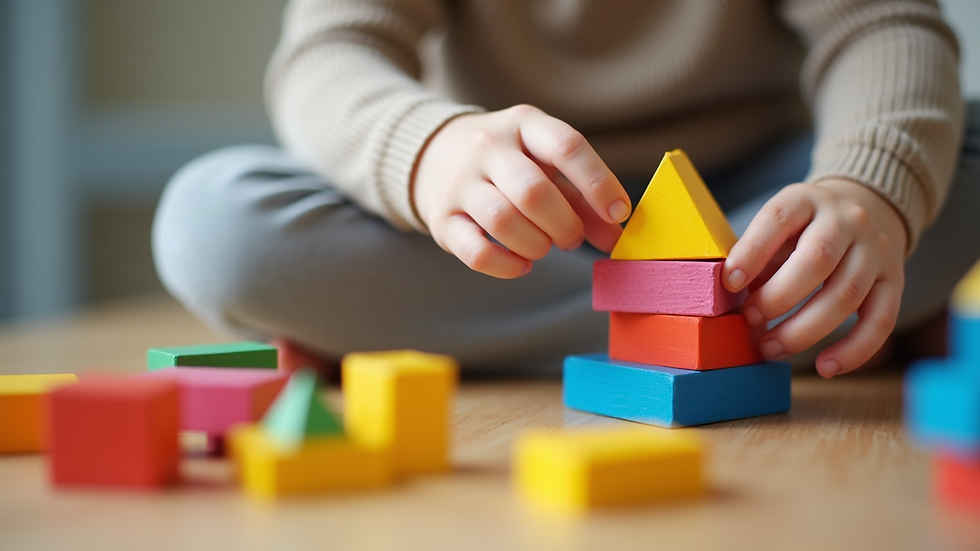
Name feelings together: Use everyday moments to talk about emotions. For example, “I see you’re feeling sad because your block tower fell down.”
Model calm behavior: Children learn a lot by watching adults. Show them how to take deep breaths or use kind words when upset.
Encourage sharing and turn-taking: These social skills help children build friendships and understand fairness.
Create a safe space for emotions: Let your child know it’s okay to feel angry, scared, or happy. Validate their feelings without judgment.
By practicing these tips, you’re laying the groundwork for healthy emotional habits.

Practical Preschoolers Emotional Growth Tips for Everyday Life
Incorporating emotional learning into daily routines can be fun and natural. Here are some practical ideas you can try at home or in early learning settings:
Storytime with feelings
Choose books that explore emotions and discuss the characters’ feelings. Ask questions like, “How do you think she feels? What would you do?”
Role-playing games
Pretend play helps children practice social situations. You can act out sharing, asking for help, or saying sorry.
Emotion charts
Use a simple chart with faces showing different emotions. Your child can point to how they feel each day, helping them recognize and communicate emotions.
Praise effort and kindness
Celebrate moments when your child shows patience, helps a friend, or tries something new. Positive reinforcement builds confidence.
Mindfulness moments
Short breathing exercises or quiet time can teach children to calm their minds and bodies.
These activities not only support emotional growth but also strengthen your bond with your child.
What are the 5 C's of social emotional learning?
The 5 C's are key skills that help children thrive socially and emotionally. They are:
Competence: Feeling capable in managing tasks and challenges.
Confidence: Believing in oneself and one’s abilities.
Connection: Building positive relationships with others.
Character: Developing a sense of right and wrong.
Caring: Showing empathy and concern for others.
Focusing on these areas helps children become well-rounded individuals. For example, when a preschooler learns to share toys (connection) and feels proud of doing so (confidence), they are practicing important social emotional skills. Encouraging these qualities daily supports their overall growth.
Supporting Social Emotional Development in Your Community
Living in a vibrant place like New Orleans offers many opportunities to nurture your child’s emotional growth. Local parks, libraries, and community centers often host storytimes, playgroups, and family events that encourage social interaction. These experiences help children practice new skills in a safe, welcoming environment.
At Trinity Learning Academy of NOLA, we focus on creating a nurturing space where children feel valued and understood. Our programs emphasize emotional and intellectual growth, preparing little ones for the next stages of life. Whether you’re looking for ideas to try at home or seeking a supportive early learning community, remember that every small step counts.
If you want to learn more about social emotional development for preschoolers, check out resources that offer guidance tailored to young children’s needs.
Encouraging Emotional Growth Through Everyday Connections
One of the most powerful ways to foster emotional growth is through your daily interactions. Here are some gentle reminders to keep in mind:
Listen actively: Give your child your full attention when they talk about their feelings or experiences.
Use positive language: Frame challenges as opportunities to learn and grow.
Be patient: Emotional skills take time to develop. Celebrate progress, no matter how small.
Set consistent routines: Predictability helps children feel secure and understand expectations.
Encourage problem-solving: Guide your child to find solutions when conflicts arise, rather than stepping in immediately.
By weaving these habits into your family life, you create a warm, supportive environment where your preschooler can flourish emotionally.
Growing Together Every Day
Watching your child develop social and emotional skills is a journey filled with joy and discovery. Each smile, each kind word, and each moment of understanding builds a strong foundation for their future. Remember, fostering emotional growth is not about perfection but about connection, patience, and love.
Whether you’re sharing a story, playing a game, or simply sitting together, you are helping your preschooler become a confident, caring individual ready to face the world. Let’s embrace these preschoolers emotional growth tips and celebrate every step along the way. Your child’s bright future starts with the love and support you give today.


Comments